


Hannah Jones/Winonan
Winona State’s production of Neil Labute’s play, “reasons to be pretty”, prefaced the performances with a question: what’s your reason to be pretty?
The question sat on a cloth-covered bulletin board outside the black box, where the piece was performed. Beneath it, various sticky notes bore a few anonymous answers. Many said their reason for being pretty was the people they loved.
Some said that their reason was simply for themselves. No one answer carried more weight than the others. A theater-goer stood in front of the bulletin board for a bit, regarding it, pondering. He said he couldn’t think of anything to put up for himself.
Because of this, many audience members came into “reasons to be pretty” expecting some answers to be provided. What were the reasons to be pretty? What does being hot, handsome, sexy, cute, all-around attractive, and the rest do for us in the long run?
That’s what made the performance itself such a surprise. Ably performed by Winona State students Andrew Halvorsen, Molly Daun, Bri Dankers and Andrew Sroka, the play charted the story of two different, crumbling relationships.
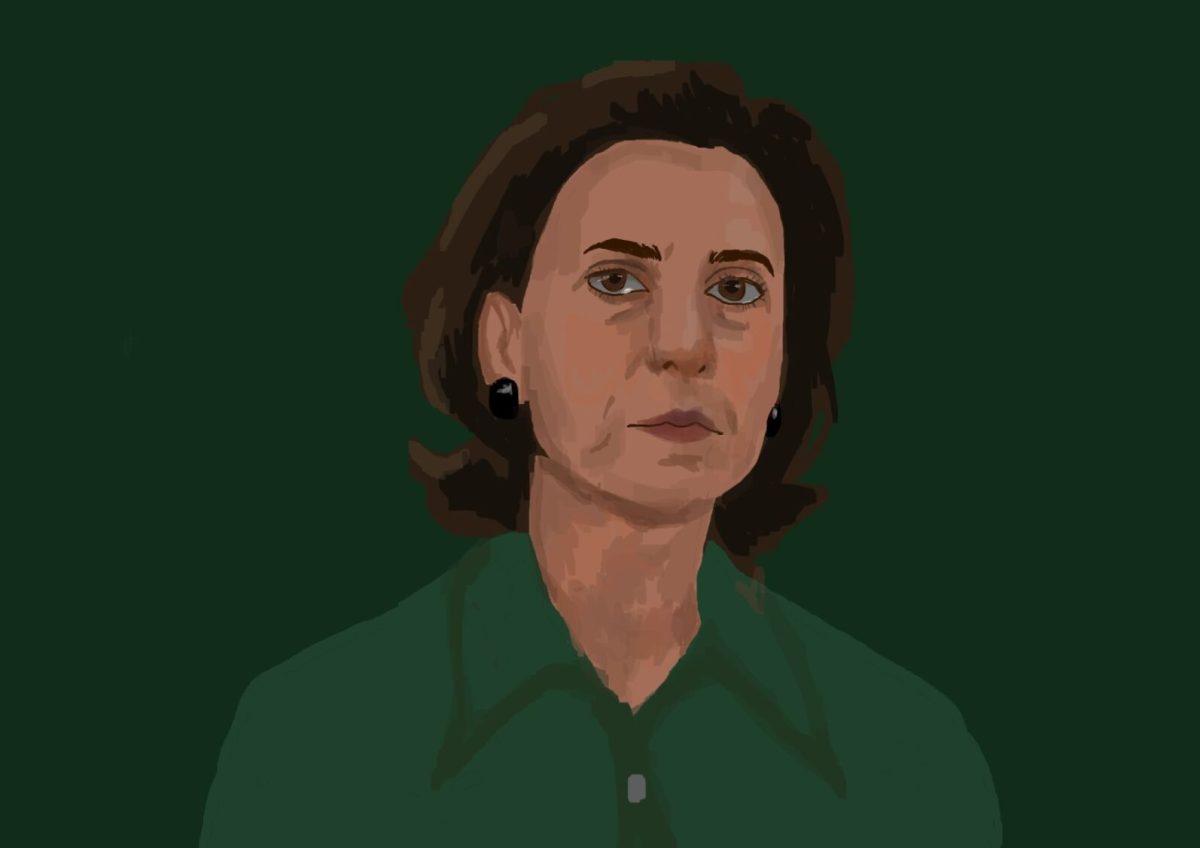
Steph (Daun) and Greg (Halvorsen), two people in a stagnant, four-year-old relationship, started out the play with a shouting match. Steph had heard secondhand that Greg had implied that she was “regular,” rather than a new “pretty” employee at Greg’s work. The two tore at one another relentlessly, drudging up every swear word known to the English language and taking turns berating and humiliating one another. Steph ends up storming out, eventually ending the relationship and once slapping Greg across the jaw. The audience gasped audibly as Steph’s hand connected with Greg’s face and sent him reeling, as if they themselves had felt it.
From this, it was possible to presume that the main reason to be pretty was to avoid these name-calling, frying pan-throwing, relationship-ending altercations. Steph takes the unintentional insult personally. It causes her great emotional distress and sleepless nights. However, the audience didn’t get to see her fret about her looks. Whenever Steph was onstage, she wasn’t moping or crying in front of a mirror. Mostly, she was angry. The audience saw only the greater consequence of the incident: Steph’s feelings of rage and hurt at Greg. Feeling pretty had less to do with the whole thin than feeling wronged.
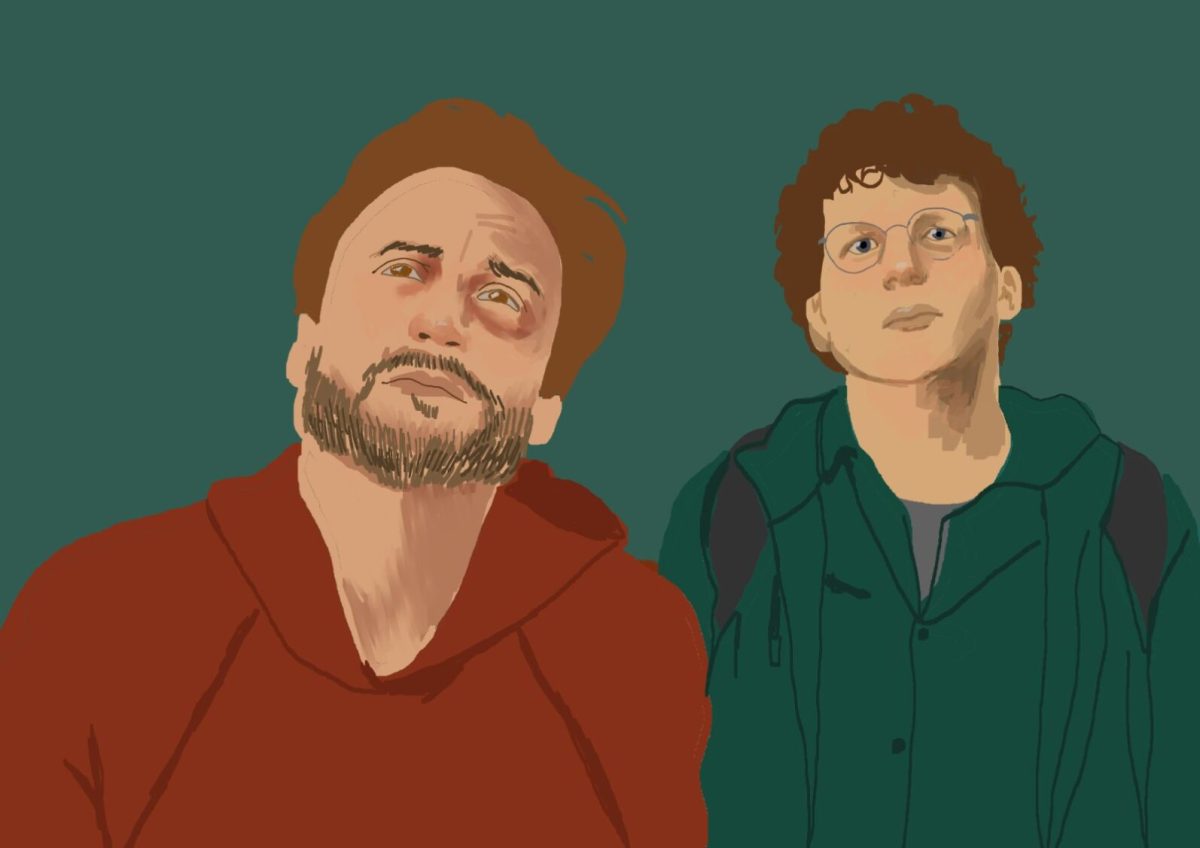
The importance of prettiness lost further footing as the play progressed. The second central couple, Carly (Dankers) and Kent (Sroka), was going well when the audience came into the story. Carly is a conventionally attractive security guard at Greg and Kent’s work. Kent was always bragging about her various physical assets to Greg, and the two of them were constantly physical in the first act—petting, hugging and kissing. However, early on, Kent told Greg that he’d begun seeing another girl behind Carly’s back. The affair continued, and Carly got pregnant, consequently gaining a lot of weight. Kent’s praise, all too quickly, turned to comments of disgust.
If maintaining such a relationship counted as a reason to be pretty, it was a questionable aim to begin with. Because Carly and Kent’s relationship was based solely on Carly’s looks, it soon fell victim to Kent’s mean-spirited attitude, and his infidelity.
Prettiness did nothing to save or to improve these two relationships; in fact, if anything, it jeopardized them. Why, then, is the play called “reasons to be pretty”?
“There is no reason to be pretty,” Halverson said. Once these characters realized that being pretty actually had nothing to do with the strength or weakness of their relationship, Halverson said, they moved on.
The audience watched the performance raptly, investing themselves in Steph and Greg’s argument, Kent and Carly’s cheating debacle and the unanswerable question: what is the reason for being pretty?
“These characters are so relatable,” Daun said. “You know them. You connect with them.”
“We’re all in that sort of transitional world themselves,” Halverson said, “between past and future.”
“It was very relatable,” audience member Matt Paro said. “It’s really in-your-face, with the language. It was realistic.”
The audience left “reasons to be pretty” considering their own lives, their own reasons.
The play, after all, wasn’t about being pretty at all.
It was about the issue beneath being pretty, the real problem, the real desire. We don’t want to be beautiful; we want change, and we want to be loved. One we peel back that film of appearances, getting to the real, throbbing, painful issue, we can begin to heal. Not, as Greg shows us, without a few bruises on the way.
“To make a change,” Daun said, “life sometimes has to slap you in the face.”
Contact Hannah at [email protected]